Why UAE Architects Are Choosing 4mm Stone Board Over ACP and Glass Cladding
Following a string of high-profile high-rise cladding fires across the UAE over the past decade, Dubai Civil Defence and local authorities significantly tightened fire-safety requirements for exterior facade materials. Aluminium Composite Panel (ACP) with a combustible polyethylene core fell out of favour on many projects as a result, pushing architects and facade consultants toward non-combustible, fire-rated alternatives.
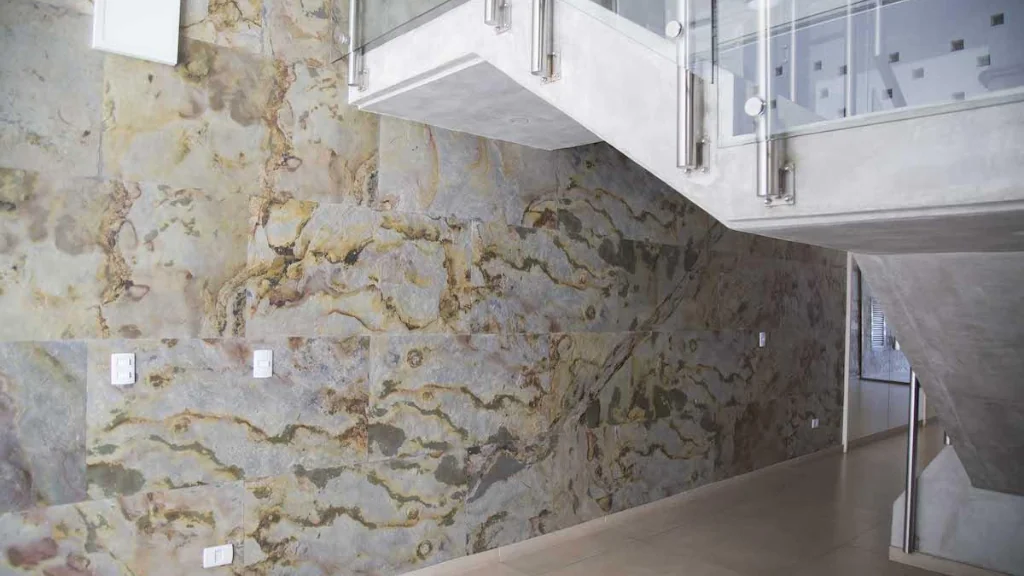
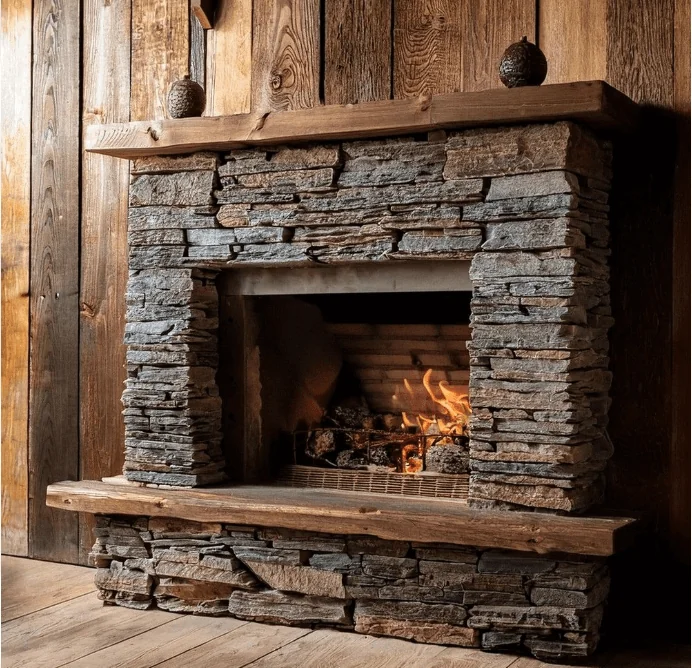
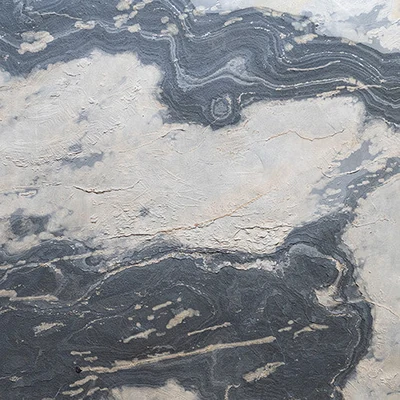
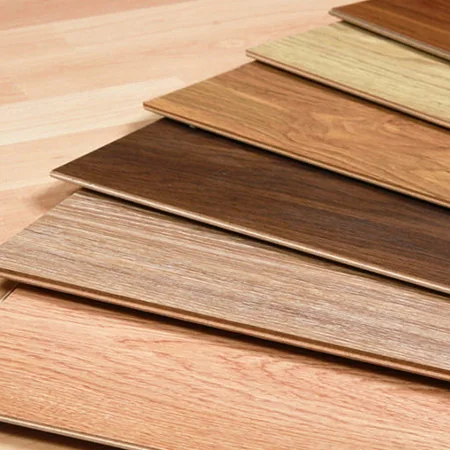
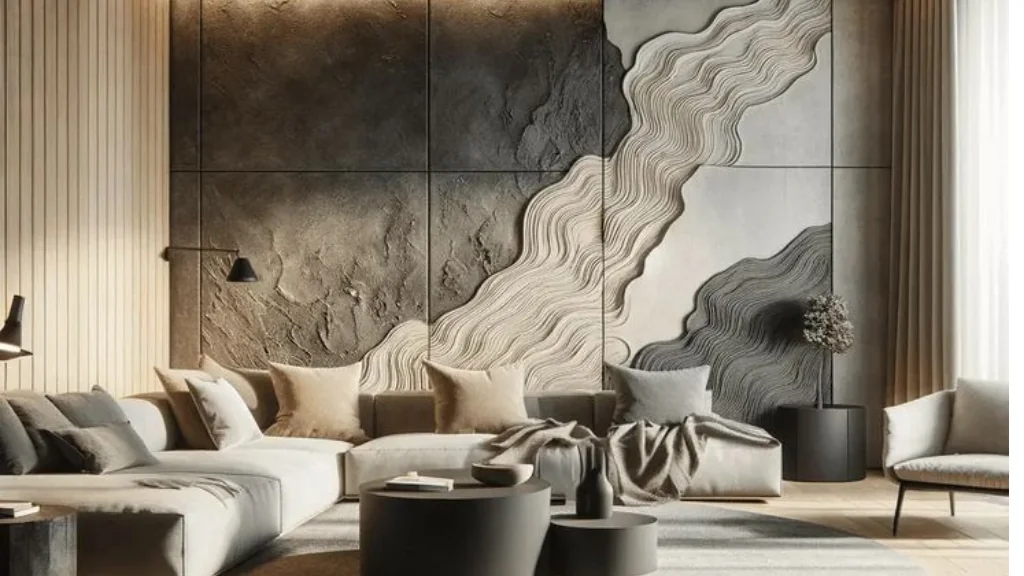
4mm natural stone board sits at that intersection: it is a real stone veneer bonded to a rigid, exterior-grade board, giving specifiers the authentic look and texture of solid stone without the weight, cost or long lead times of quarried slabs. Compared with ACP and glass cladding, architects in the UAE market cite a few recurring reasons for the switch:
- Fire performance — a mineral-faced board avoids the combustible-core concerns associated with older ACP formulations.
- Lower dead load — at a fraction of solid stone's weight, 4mm board reduces structural and fixing costs versus slab cladding.
- Thermal comfort — a stone surface reflects and dissipates heat differently to glass and metal panels, which can reduce solar gain on west- and south-facing elevations common in Gulf climates.
- Design flexibility — available in multiple stone finishes and panel sizes for feature walls, lobbies and full facades.
For specific fire-rating certificates, panel sizes and technical datasheets relevant to your project's local code requirements, our export team can share documentation on request.