
01
Material First
We start with the character of the stone: geology, colour movement, grain, texture, thickness, finish and intended use.
About HSK International
HSK International works around the character of natural stone — its colour, texture, mineral movement and tactile depth — and prepares stone surfaces for contemporary interiors, facades and architectural applications.
Our point of view
Every piece can carry a different combination of grain, mineral movement, pits, clefts, veining and colour. That variation is part of what makes genuine stone compelling.
Our approach is to treat stone as an architectural material rather than simply a decorative image. The right stone is selected with the final application in mind: interior feature walls, fireplace surrounds, stair walls, hospitality spaces, exterior facades, landscape features or other project-specific surfaces.
For designers and buyers, this means the conversation should begin with the application, the visual direction and the technical constraints — then move into stone type, range, format, finish, thickness, packaging and installation requirements.
What we work with
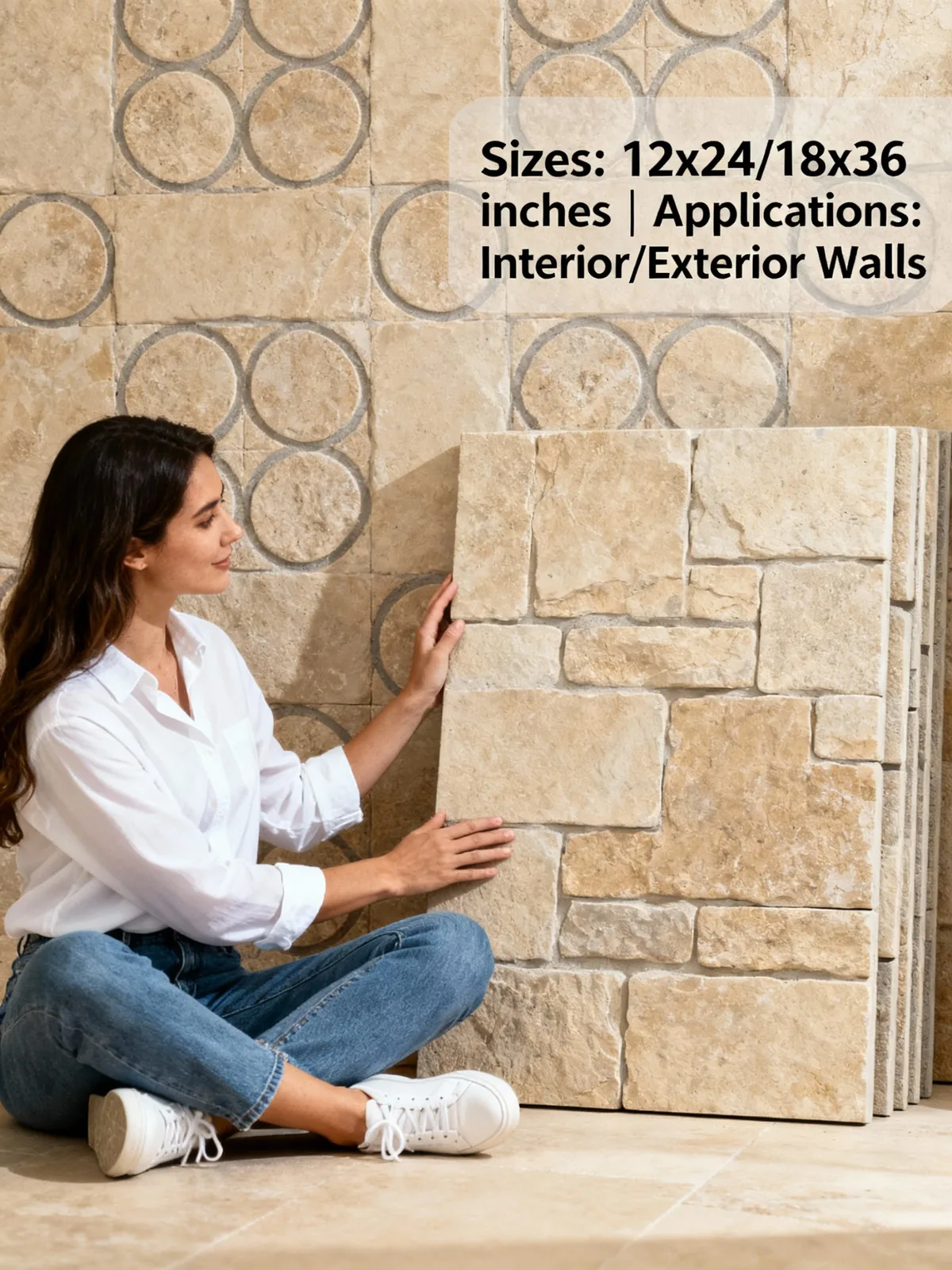
Stone veneer is not limited to one colour or one visual language. The selection can move from quiet limestone and warm sandstone to dramatic slate, quartzite, marble, granite and translucent varieties, depending on the project brief.
We start with the character of the stone: geology, colour movement, grain, texture, thickness, finish and intended use.
A wall veneer, facade, fireplace, feature wall, flooring product and outdoor surface do not have identical technical requirements.
Sorting, visual inspection, dimensional checks, finish review and packing checks help reduce avoidable variation before dispatch.
Natural variation is part of stone. We help buyers select a range and finish that suit the visual direction of the project.
International supply requires clear specifications, practical packing, documentation and communication from enquiry to shipment.
Where project requirements call for sustainability documentation, sourcing transparency or third-party standards, those requirements should be identified early.
Natural stone veneer
Thin natural stone veneer is one way of bringing genuine stone into projects where the design intent calls for the visual depth of stone without automatically specifying a full-depth stone assembly. The phrase "thin veneer" describes a material format; it does not by itself define the complete installation system.
A responsible specification considers the stone, thickness, panel or piece format, substrate, adhesive or mechanical fixing, joints, moisture management, movement, edge details and local code requirements. The installation system should always be selected for the actual project conditions.
For that reason, HSK presents stone veneer as a design-and-technical conversation. Samples establish the visual target; project drawings and site conditions establish the installation requirements.
From raw material to finished surface
Stone processing is a sequence of decisions. The goal is not to remove the natural identity of the material, but to convert it into a format that can be inspected, handled, installed and specified.
Review colour, structure, texture, available blocks or slabs and the intended application before production decisions are made.
Stone is converted into workable pieces, slabs or formats according to the selected product and required dimensions.
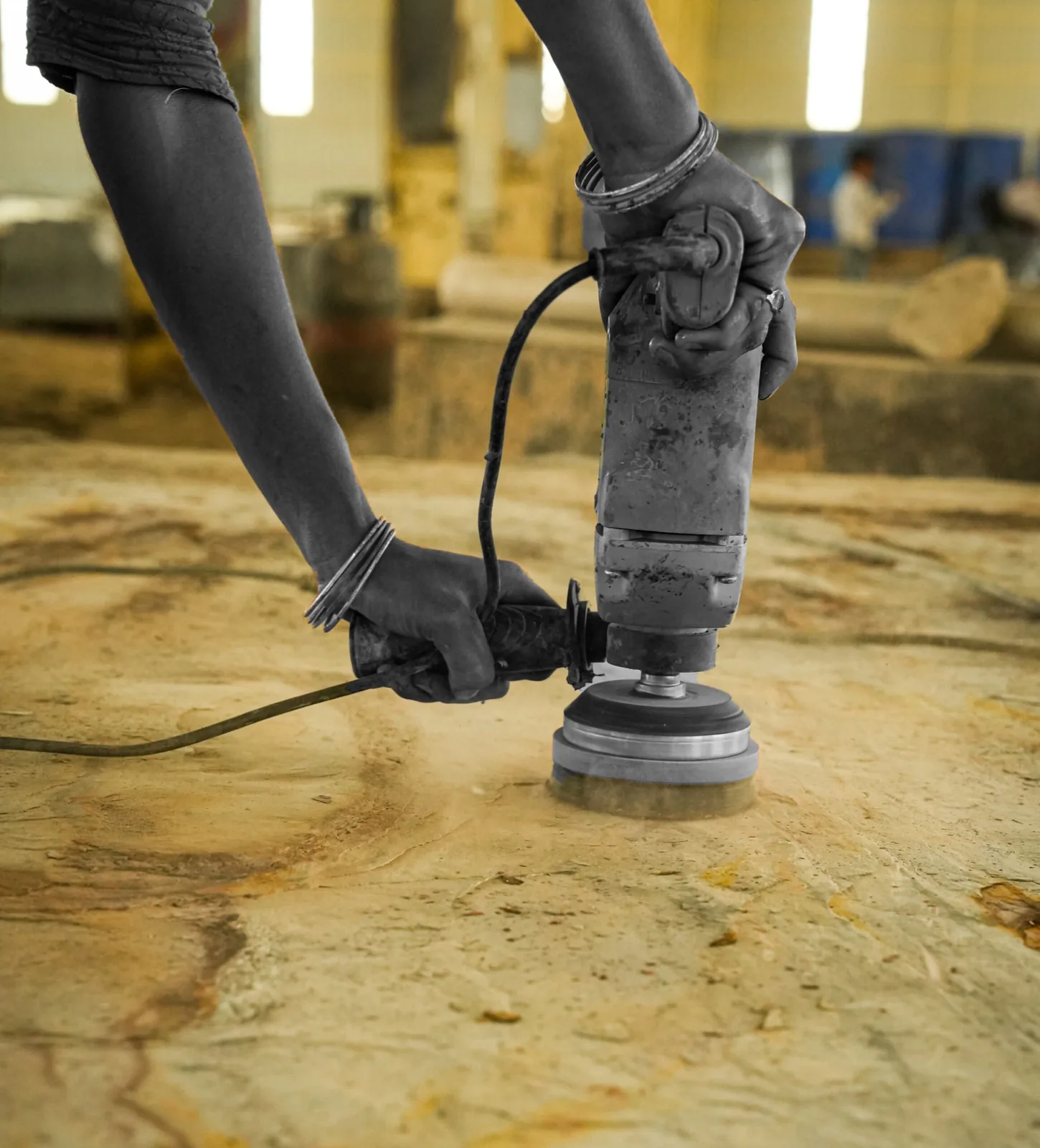
The surface may be left natural or processed to achieve a selected visual and tactile finish appropriate to the material.
Visual sorting, dimensional review, finish checks and product identification help prepare material for dispatch.
Finished material is staged, protected and packed according to the product, handling method and shipment requirements.
Manufacturing mindset
A project buyer needs more than an attractive sample. They need a material that can be identified, reproduced within a realistic natural range, packed safely and communicated clearly to the installation team.
That is why the workflow around the stone matters. Raw material selection, processing, finishing, sorting, storage and packing each influence the final result. A strong supply process also makes it easier to discuss acceptable natural variation before the order reaches production.
Our objective is to make the path from inspiration to specification more transparent: define what the client wants to see, understand where natural variation will occur, then align the product format and supply process with the project.
Applications
The strongest stone designs are usually the ones where the material is selected for both appearance and context.
Living rooms, bedrooms, reception areas and commercial feature walls can use stone to create a focal plane with natural texture.
Stone can frame a fireplace and connect the hearth with the wider architectural palette. Heat and installation requirements must be assessed for each system.
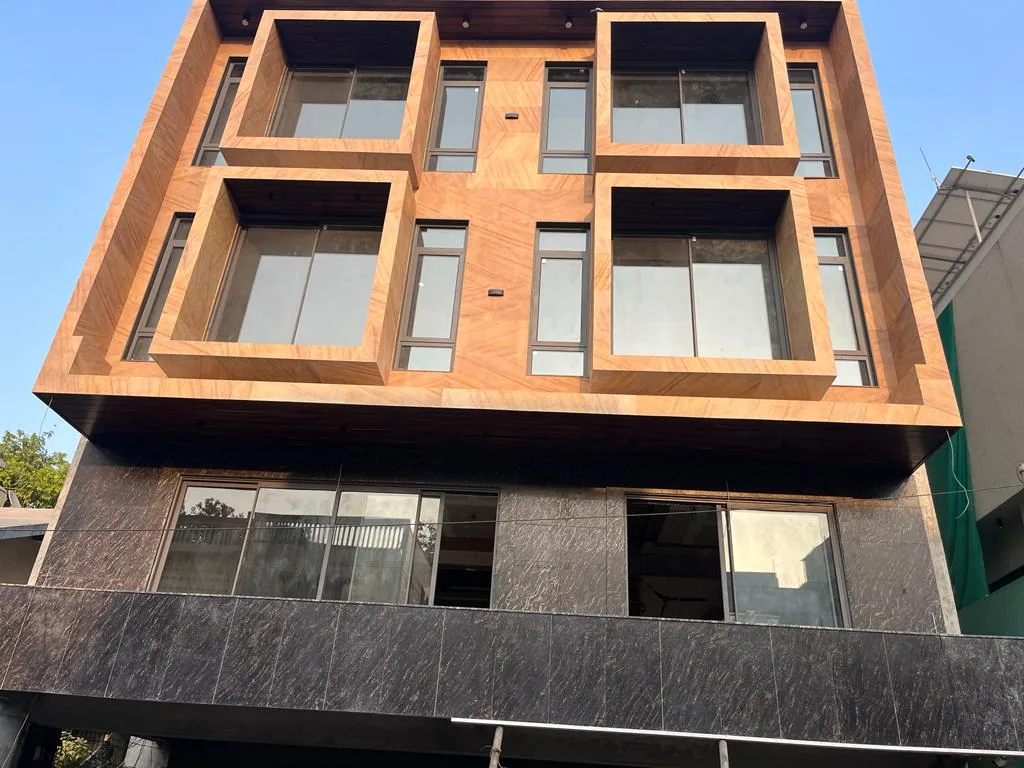
Exterior stone cladding can add mass, texture and a durable natural character when the stone and fixing system are appropriate to the climate.
Hotels, restaurants, showrooms and retail spaces can use stone to establish a memorable material identity.
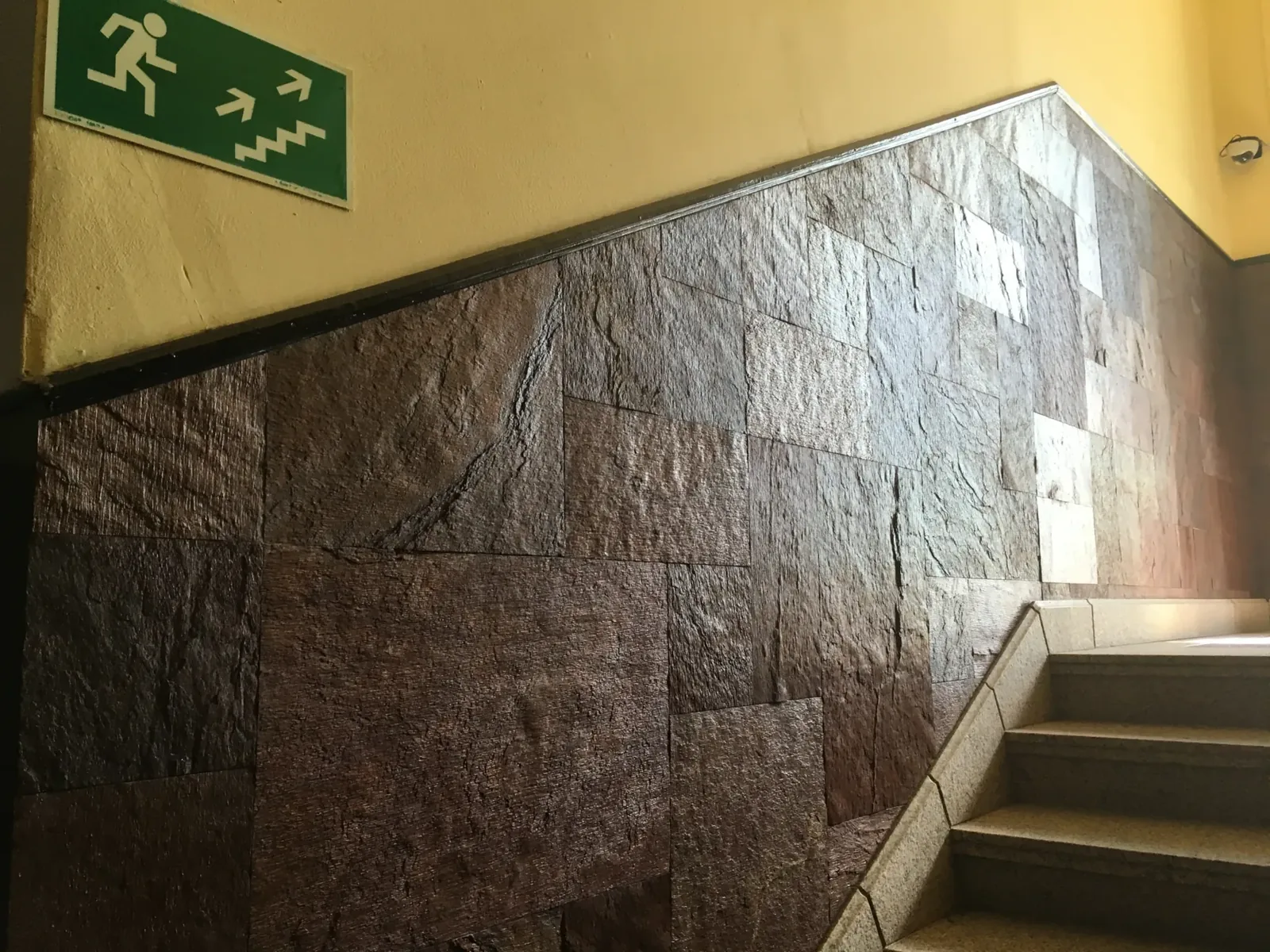
Textured stone can add depth to circulation spaces, staircases and transition zones that otherwise have large uninterrupted surfaces.
Selected natural stones can be specified for walls, edging, paving and other landscape applications when performance requirements are satisfied.
Stone surfaces can reinforce a premium visual language in offices, reception desks, corridors and public-facing areas.
Stone veneer can be combined with glass, metal, timber and painted finishes to create layered facade compositions.
Quality & inspection
Quality control for natural stone should distinguish between a true defect and an expected characteristic of the material. A crack that compromises performance is not the same thing as a natural vein; a dimensional tolerance is not the same thing as a colour variation.
A practical inspection process therefore combines product specification with visual range approval. Dimensions, thickness, finish, edge condition, surface integrity, packing and identification can be reviewed alongside the agreed colour and texture range.
For high-visibility projects, we recommend agreeing a representative sample or range before bulk production. This gives architects, contractors and buyers a realistic reference for the natural variation that will be present in the finished installation.
Responsible material thinking
Natural stone has characteristics that can support sustainability goals, but responsible specification should be evidence-led rather than based on marketing language.
The Natural Stone Institute describes natural stone as a single-ingredient material and highlights durability, low-emitting characteristics and the potential for responsible sourcing. It also maintains sustainability resources covering environmental product declarations, responsible production and the ANSI/NSI 373 sustainability standard.
For a real project, the useful question is not simply "Is stone sustainable?" The better questions are: where was it sourced, how was it processed, what documentation is available, how far is it transported, how will it be maintained, and can the material be reused or responsibly handled at the end of its service life?
If a project requires a specific certification, EPD, chain-of-custody documentation or sustainable sourcing criterion, that requirement should be confirmed against the actual supplier, product and project documentation rather than assumed from the material category alone.
The Natural Stone Sustainability Standard addresses areas such as energy, water, waste, land impacts, transportation, site and plant management, worker health and safety, and other sustainability criteria.
View Natural Stone Institute resource →ASTM publishes material specifications and selection guidance for different dimension-stone types. The applicable standard depends on the stone and application; project requirements and local codes still govern the final specification.
View ASTM C1528/C1528M-26 →Visual portfolio
Images are intentionally displayed as compact thumbnails to keep the page fast and clean. Click any image to view it larger. The gallery contains a mix of stone, processing and design-context references.
A residential interior example showing how natural stone can create depth, warmth and a strong architectural focal point.
Irregular texture and natural tonal variation give a wall a handcrafted character while retaining a clean architectural rhythm.
Sample review is important because natural stone varies in colour, veining, grain, texture and surface character.
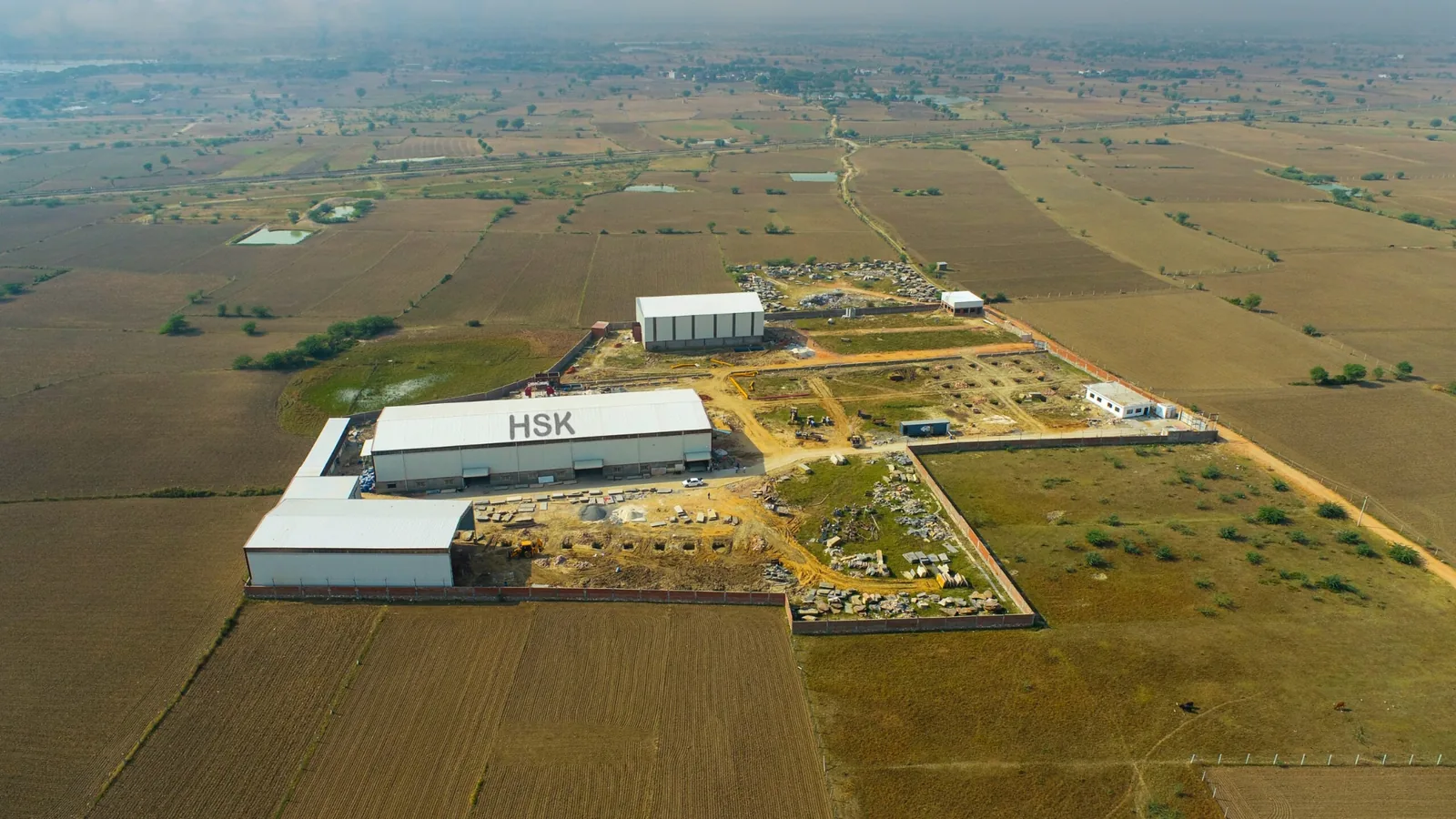
Aerial context shows the relationship between processing areas, storage yards, movement routes and finished-material handling.
Natural stone is valued for mineral movement, surface texture and colour variation that cannot be duplicated exactly from one piece to another.
Large working areas allow stone pieces to be sorted, processed, finished and prepared for different project requirements.
Safe and organised handling is essential for heavy natural-stone products from processing through staging and dispatch.
Fabrication environments are designed around practical material movement, inspection, finishing and preparation for shipment.
Block cutting converts selected stone into workable sections for slabs, tiles, cladding and veneer-oriented formats.
Covered storage and orderly staging help protect finished material and make inspection, packing and dispatch more manageable.
Finishing changes how a stone looks and feels. The correct treatment depends on the stone, application and required appearance.
Stone cladding can be used to create a strong exterior identity while coordinating with windows, openings and other facade materials.
Material selection can be coordinated across walls and floors to create a consistent interior design language.
Flooring and wall surfaces can be considered together when the project requires continuity of tone, texture and maintenance approach.
This reference is included as a design-context image rather than as a claim that the floor itself is natural stone.
Specification support
A useful enquiry can be simple. Share the application, approximate area, preferred colour family, desired texture or finish, thickness or format if known, project location and target quantity. Reference photographs, drawings or mood boards are also helpful.
From there, the material can be narrowed down to a realistic range. The final specification can then record the selected stone, finish, size, thickness, tolerances, packing expectations and any project-specific requirements.
This approach reduces the gap between what is shown on a screen and what has to be delivered to a real site. It also gives architects, procurement teams and installers a common language for discussing natural variation.
Frequently asked questions
Share your application, preferred look, approximate quantity and project location. A clear brief is the fastest way to move from inspiration to a practical stone selection.